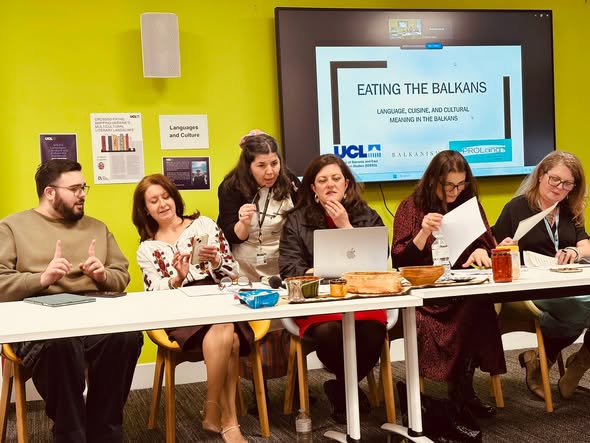
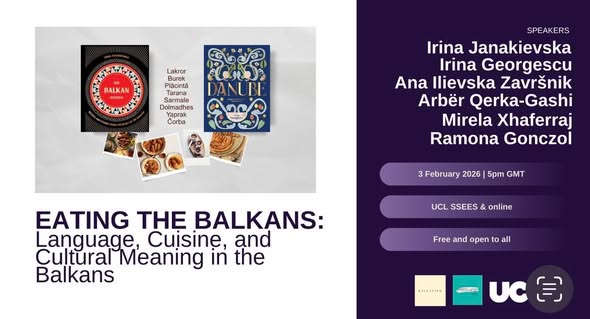
Eating the Balkans: Language, Cuisine, and Cultural Meaning in the Balkans
What do you call the dish on your plate? The answer might reveal much more than just a recipe, it can tell a story about empire, migration, language, and identity.
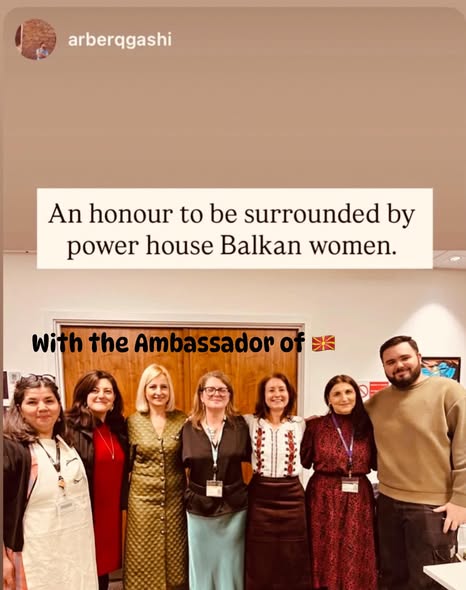
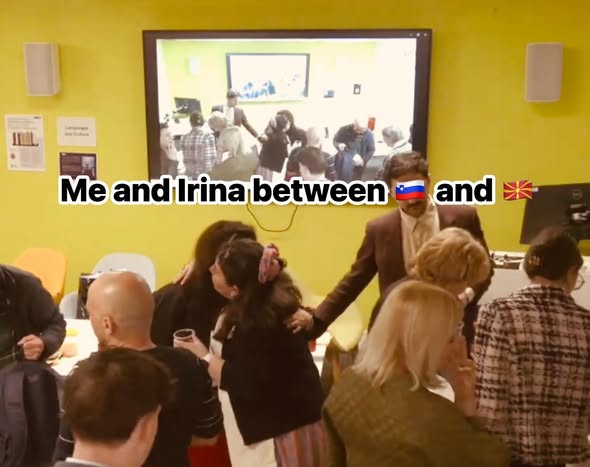
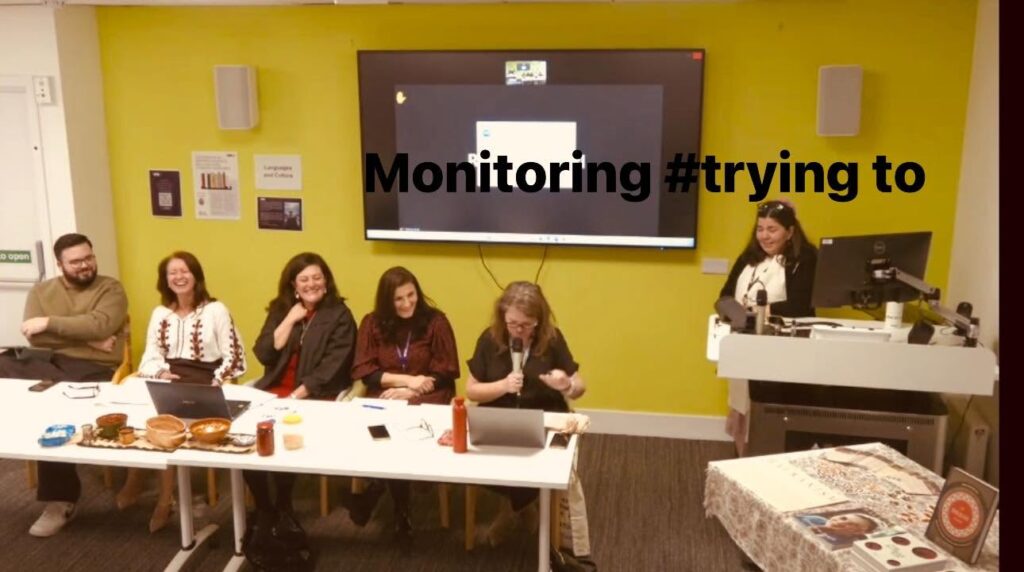
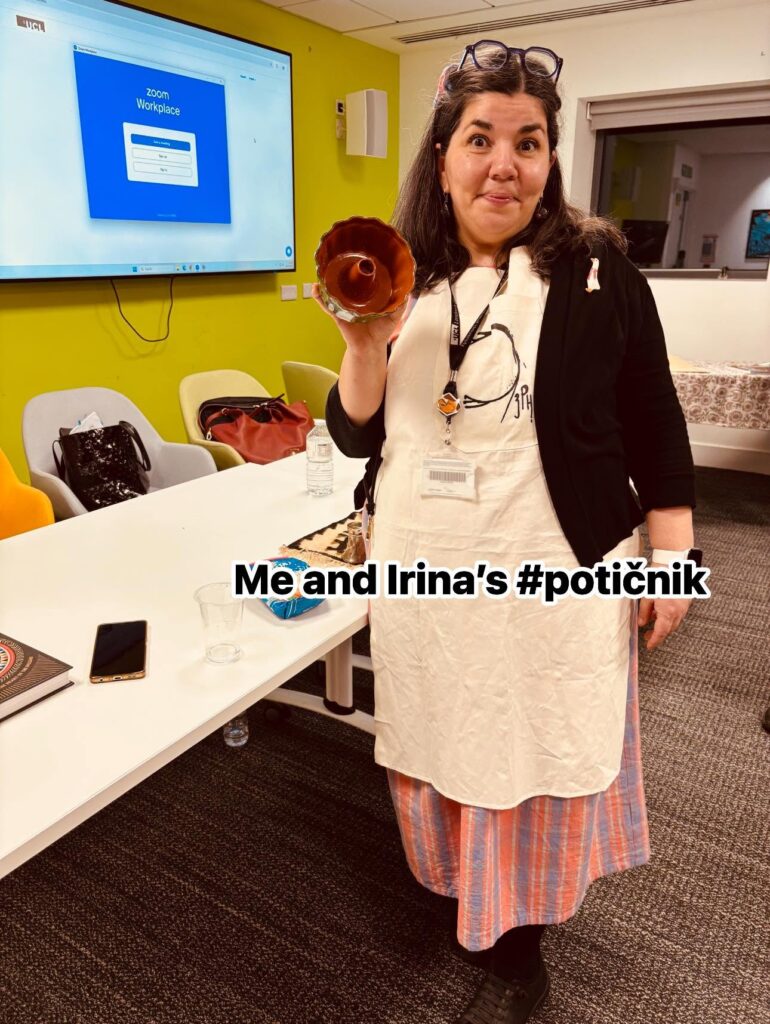
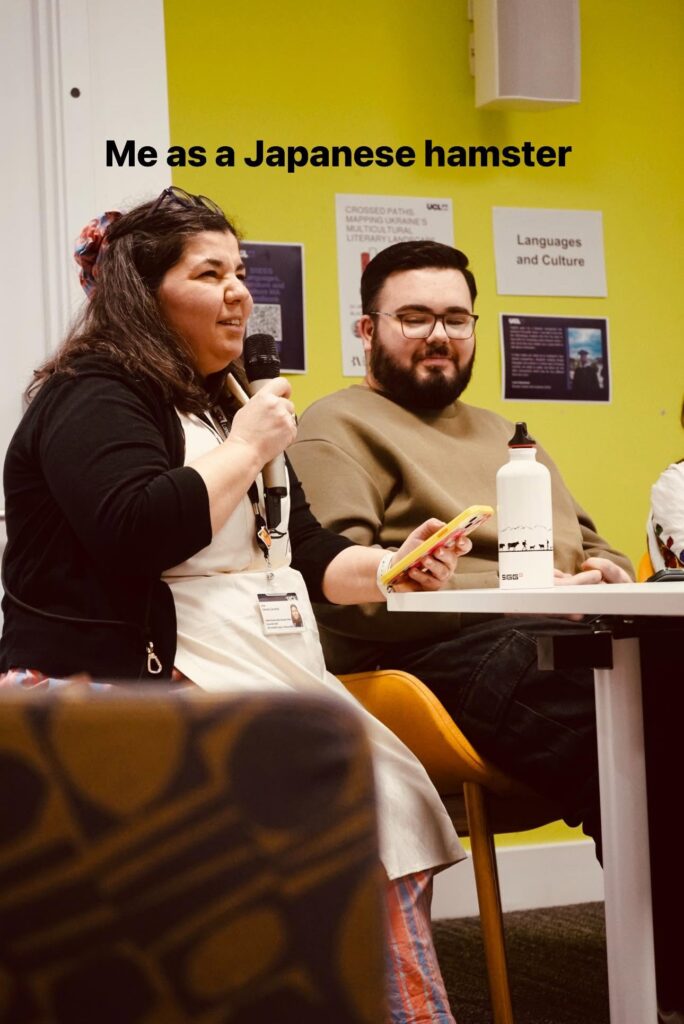
At #UCL_SSEES we explored the fascinating world of Balkan food vocabulary with Irina Janakievska and Irina Georgescu, award-winning food writers and authors exploring Balkan cuisines.
Because in the #Balkans, a dish is rarely “just a dish”. Words like čorba/ciorbă, manti/mantije, sarma/sarmale, dolma, burek/börek, and štrudel carry layers of history, shaped by trade routes, empires, migration, and centuries of people sharing kitchens (and arguments about whose recipe is the “original” one 😂).
But food stories are not only about borrowed words. Many dishes are deeply rooted in local landscapes, seasons, and traditions that existed long before certain empires arrived. The kitchen is a place where languages meet, memories survive, and identities are constantly recreated.
Exploring #Macedonian, #Slovene, Romanian, Albanian, Greek, Serbian, Turkish and other food traditions showed us that the same dish can have many names, and every name has a story.
So next time someone asks, “What is this dish called?” be careful… you might accidentally start a Balkan history debate that lasts longer than the cooking time. 😂
Because in the Balkans, food is not only something we eat – it is something we remember, protect, and sometimes passionately argue about. ❤️